
A one-day diary from morning latte to lights out
lianna knew she wanted to be an undertaker aged nine
lianna knew she wanted to be an undertaker aged nine
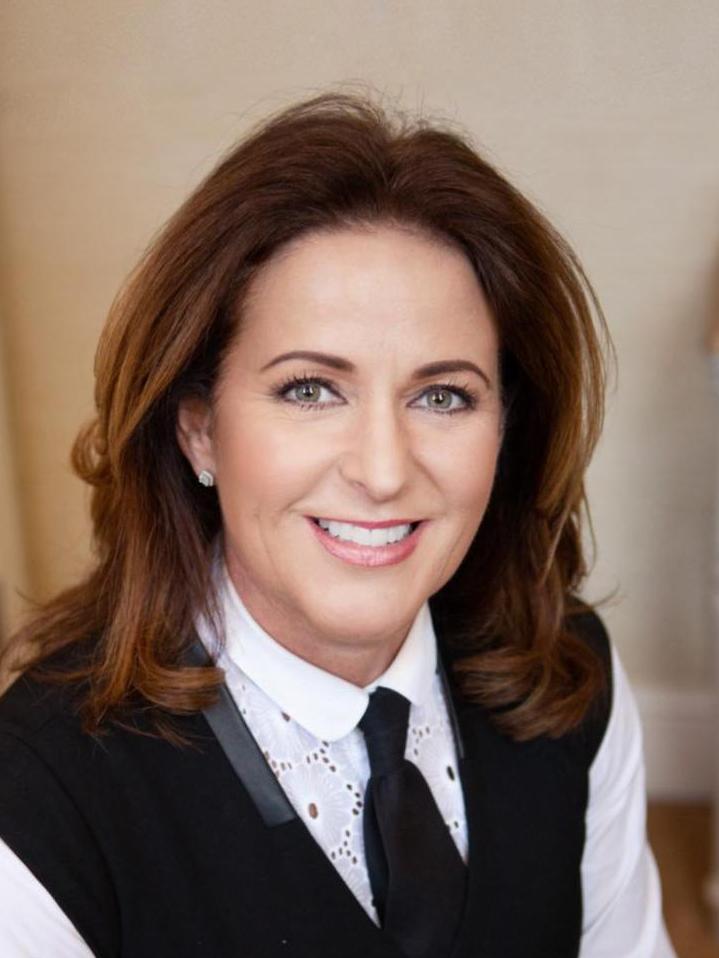
Lianna Champ, funeral director
Lianna Champ, 55, is a funeral director and the co-founder of Champ Funerals. She lives in Lancashire with her sons
My alarm goes off…
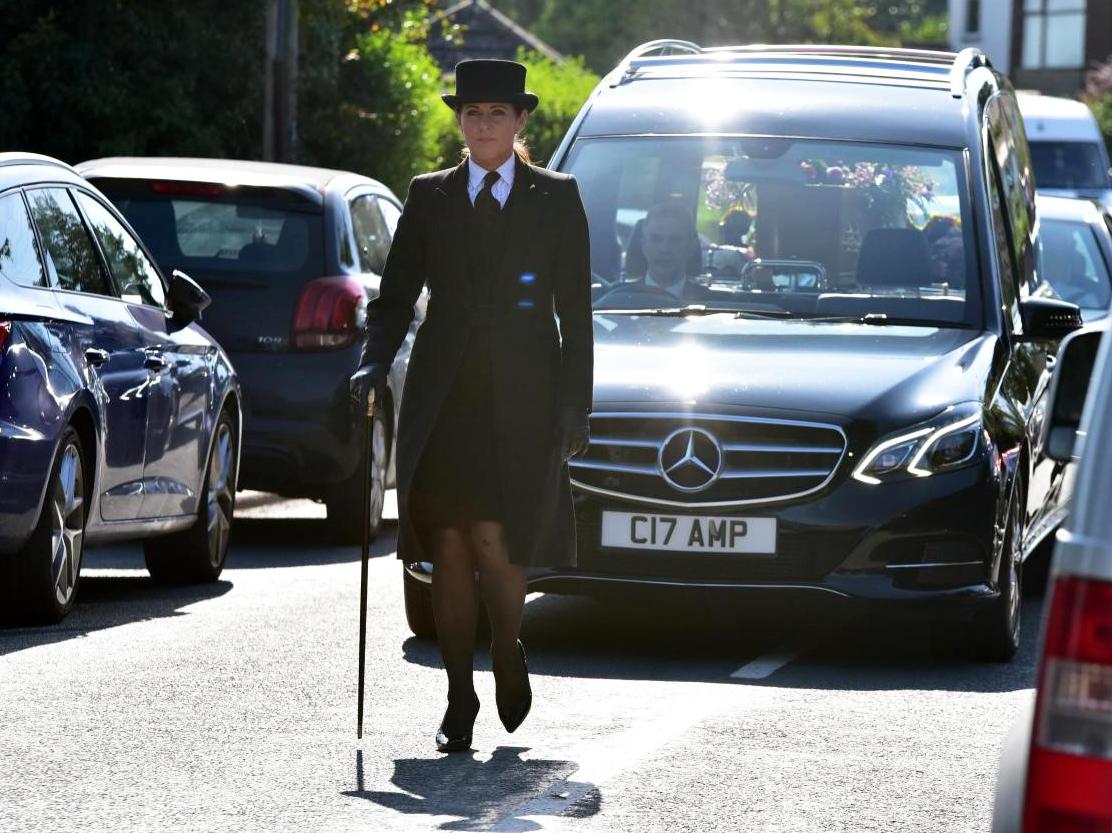
The same time as always – 6am. I’m an early riser and I like to do some stretching as soon as I wake up. Then, I’ll have bircher muesli, which I’ve usually made the night before for breakfast, before nipping out to take the dog for a walk. If I have a funeral that day, I will wear a smart white blouse, waistcoat, black skirt and formal black overcoat. If I’m directing a funeral, I’ll have black gloves, a cane and dressage hat, too, which is an older tradition my company resurrected. It’s a mark of respect. Otherwise, I’m in a black silk blouse and trousers. I leave about 7.30am and get to the office for 7.45am.
I’m responsible for…
Guiding families through their grieving journey and, as a funeral director, making sure the actual day goes smoothly. I’m also responsible for my team’s wellbeing (we have four full-time staff and four part-time) – it’s a tough job, especially at the moment.
I got the job…
From knowing my calling early in life. At nine, I said to my mother, “I want to be an undertaker.” I cannot tell you where on earth I got the idea from, all I know is that it’s something I felt deeply inside. At 15, she took me to a local funeral home and said, “Please convince her not to do this.” Everyone thought it was a very morbid thing to want to be. But that only bolstered me. As soon as I finished school, I trained as an apprentice and after a few years in the business I set up my own company, basically out of necessity. The sexism was unbelievable. I turned up for one interview and they said, “Oh, we wouldn’t have asked you to come if we knew you were a woman.” (I had applied with just my initials.) It felt awful – needless to say I didn’t get the job. Now female funeral directors are in high-demand – people request it – so I was ahead of the game. I published a book called How To Grieve Like A Champ in 2018, which guides the reader through grief in all its forms, after a friend pushed me to finally write down everything I knew. It poured out of me.
lianna dresses in traditional funeral wear as a mark of respect
lianna dresses in traditional funeral wear as a mark of respect
My typical day…
Has gone out the window since the pandemic. I will sit at my computer and look at what has come in overnight in terms of the funerals we’re taking on, and that dictates the structure of the day. In my team everyone does everything, from dealing with families to collecting bodies, so we’re able to adapt to the demand pretty easily. Normally, we do about 20 funerals a month, now it’s double that and we expect it to rise. The services themselves, though, take much less time (each person gets a 15-minute slot now) because of the number of people. We’ve had to have a garage turned into a mortuary temporarily because there are too many bodies. The amount of loss is heartbreaking. But more than that, the funerals themselves have become so sad. You are only allowed 10 people there (including the undertaker) and everyone has to stand in their households at least six-feet apart. We’ve lost that tactile contact that’s so needed. I have cried after every single funeral I’ve led since the pandemic. We’re encouraging people to hold memorials once all this is over; funerals are happening in two parts now.
One thing we are really big on in my office is lunch. We have a kitchen and someone will cook something like a soup or make sandwiches for everyone, and we sit down and eat together. Because of what we deal with every day, it’s really important to have that time to share or just to talk about something else.
After lunch, I ordinarily might have been visiting families. We used to spend so much time with them. Our job was – and is – to give them structure when they’re going through something horrific and totally alien, but now all that has to happen over email or phone calls. In the beginning, we offered Zoom meetings but we found families didn’t want to organise a funeral that way; people weren’t comfortable with it. So we’ve had to change our vocabulary when speaking to families. Our job is very personal and, in person, that comes naturally. Now, I need to make sure they still get that sense of warmth in writing, or over the phone, which can be difficult. You can’t be too formal.
We try to finish around 5pm but are working some Saturdays at the moment, too.
When I’m tired or stressed I…
Talk to my team. At the beginning of the pandemic, there was worry about picking up the virus after coming into contact with a body (we wear PPE), which was totally understandable. And sometimes there isn’t a solution to that worry but voicing your fears, talking about it, does help to alleviate them.
My go-to snack at work is…
To be honest, coffee. At 3pm that’s what I crave. Though sometimes it also comes with chocolate.
My most memorable moment…
Is impossible to pick. They happen all the time, usually when someone comes to us looking broken and manages to leave with a smile.
My worst work habit is…
Not something I think I’d be the most reliable judge of. Ask my team!
My email inbox…
Isn’t too bad. I don’t have any elaborate filing system, but I manage.
After work…
I head home and cook dinner, which is fish most nights. To relax, I am big on having a hot bath or just watching something on TV to zone out – I just finished the second season of Manifest. Some nights, though, I might have articles to write on grief for parenting publications or industry titles. I can end up going to sleep anytime from 7pm to 11pm. I tend to listen to my body.
My Plan B: Singer
When I was a child I used to lock my brother, who is three years younger than me, in the bedroom and make him listen to me sing. Sometimes, I would force him to sing too – I’d do the high parts and he’d take the low. So, in another life, that’s the avenue I would have taken. Maybe opera, who knows.
